World Cup 2026 in Los Angeles: what brands should prepare before June
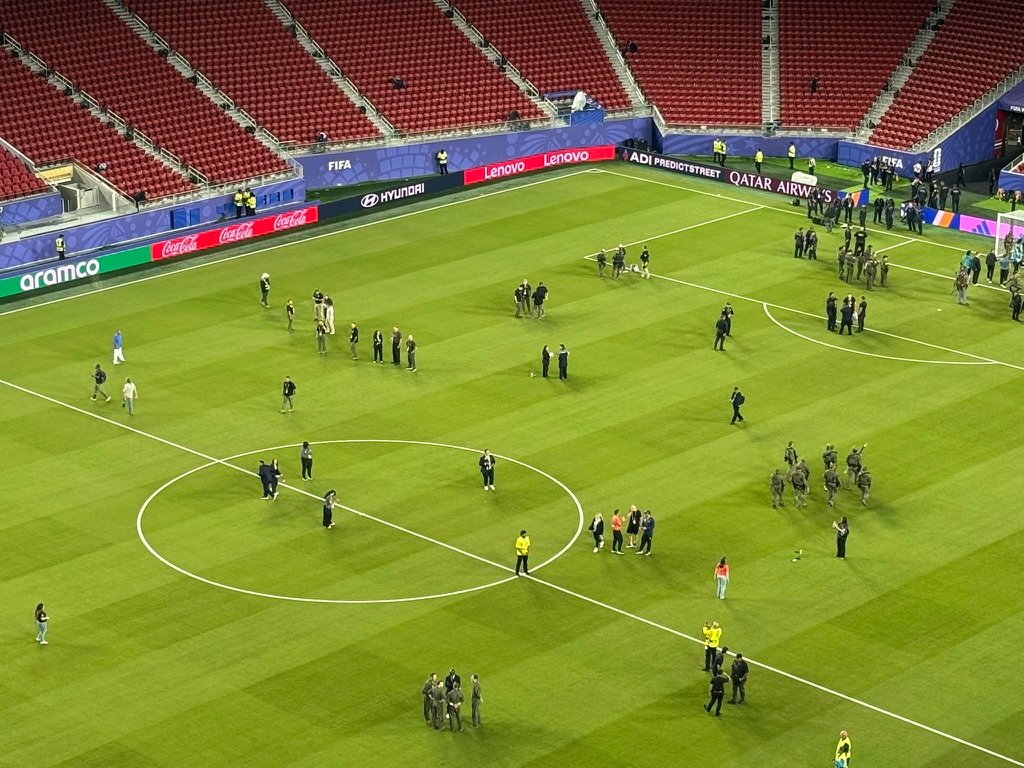
World Cup 2026 in Los Angeles: what brands should prepare before June
With the World Cup a month away, brands planning campaigns in Los Angeles are approaching an important deadline. There is still time to organize production, confirm access and build a workable content plan. There is much less room for unresolved decisions.
Los Angeles is scheduled to host eight matches, with fan programming planned at the Los Angeles Memorial Coliseum and at locations across the region, according to the Los Angeles World Cup 2026 Host Committee. For brands, the opportunity goes beyond match days: hospitality events, creator partnerships, community gatherings and the stories unfolding around the city.
Turning that activity into useful campaign content takes preparation. Crews need access. Editors need clear briefs. Someone needs the authority to approve work while it is still timely.
For brands and agencies producing content in LA, the next few weeks should be about making those arrangements concrete.
Decide what the content needs to achieve
A busy event can generate plenty of footage without producing a clear campaign.
Before adding more deliverables, establish what the content is supposed to do. Is the priority to bring people to an activation, document a brand experience, support a creator partnership or produce assets for use after the tournament?
Each of those objectives calls for different coverage and a different delivery schedule.
A same-day social edit needs a fast route from camera to publication. A campaign film may need interviews, controlled product shots and a longer edit. A recap should capture enough context to make sense to someone who was never at the event.
Choose the priorities now, so the crew knows which moments matter most.
Confirm access before planning the shoot
An event on a public calendar is not permission to film commercial content there.
Before committing to a location or promising particular coverage, confirm the arrangements with the venue or organizer. Establish where the crew can work, what equipment can be brought in and which approvals the intended use requires.
Keep confirmed access separate from requests still in progress. If a key location is still uncertain, develop an alternative that can carry the creative.
Brand teams should also have campaign language and assets reviewed for any permissions they need, particularly where they reference the tournament or could suggest an official association.
These conversations are far easier to settle before a crew and talent are waiting on site.
Brief every deliverable
The hero film is often the most developed part of a campaign brief. Shorter assets get less attention, even when they are the pieces that have to go out first.
List the complete delivery package before the shoot. That might include a main film, vertical social edits, creator clips, interview excerpts, daily highlights and a final recap.
For each asset, establish:
- its purpose and platform;
- the footage or interviews it needs;
- its format and approximate length;
- the delivery deadline;
- who reviews and approves it.
This gives the production team a basis for planning coverage. It also tells the editor which material needs to be transferred and assembled first.
Shorten the approval process
A review process that works for a scheduled brand film may be too slow for event coverage.
Before production begins, name the person who approves time-sensitive content. Agree on a backup, and identify which posts need additional brand or legal review.
Set practical boundaries in advance as well. Approved messaging, graphics, music options, caption styles and examples of acceptable content all reduce the number of decisions during the event.
Different assets can follow different review schedules. A flagship film may need several stakeholders, while routine event highlights can be handled by a smaller group.
The aim is to give reviewers enough context and authority to make timely decisions.
Scout the locations
A location scout should answer the questions that shape the working day.
Where will equipment be unloaded? How far is the filming position from the entrance? Is there usable power? Can an interview be recorded away from music and crowd noise? Where can footage be backed up and transferred?
Check how conditions may change at the planned filming time. Light, sound, foot traffic and vehicle access all affect what is possible.
For coverage across several locations, build a realistic travel plan and leave room for delays. A schedule that depends on every move going perfectly leaves the crew no room when something changes.
Capture what you can before the tournament
Some material is easier to produce before the event begins.
Product details, spokesperson interviews, controlled creator segments and selected city footage can all be captured in advance. Graphics, captions and edit templates can be prepared too.
That leaves the event crew free to concentrate on moments that can’t be recreated: audience reactions, live interactions and the atmosphere around an activation.
It also gives editors a stronger starting point. Approved background material lets them build a coherent piece while new footage arrives.
Give post-production a working plan
Fast delivery takes more than an editor being available.
The team needs an agreed process for transferring footage, organizing files, flagging priority shots and sharing cuts for review. Test that process before relying on it during the event.
Assign responsibility for filming, media management, editing, approvals and publishing. Smaller teams may combine roles, but the workload still has to be realistic.
If same-day delivery is part of the brief, budget for the people and infrastructure it requires. Otherwise, turnaround depends on whoever is free after the shoot.
Match the finish to the asset
A polished campaign film and an immediate social update serve different purposes.
Agree in advance on the level of finish each one needs. Event content still needs clear sound, accurate captions, appropriate framing and a coherent message, but some pieces benefit from a more direct, immediate treatment.
Making those decisions early prevents avoidable revision rounds when the content is ready to publish.
It also protects time for the assets that need more detailed editing, color grading, sound work or stakeholder review.
Bring in local production knowledge early
For visiting brands and agencies, a local production partner can help assess the practical demands of the brief.
That support may include scouting, crew coordination, equipment sourcing, location arrangements and planning realistic moves between sites.
The biggest benefit usually comes before the shoot, when local knowledge can still shape the schedule and the creative approach. An ambitious location plan is much harder to change once bookings are confirmed and the team has arrived.
At LOOK AD ME, we start with the campaign objective, the required assets and the conditions the team will be working in. Those details shape the production plan and the delivery workflow.
What to settle in the next few weeks
With June approaching, the immediate priorities are clear:
- confirm locations, access and any necessary permissions;
- finalize the deliverables and delivery dates;
- assign reviewers and approval responsibilities;
- secure the crew and post-production capacity;
- prepare the material that can be finished in advance;
- test the footage transfer and review process.
The tournament will create moments no team can fully predict. A prepared production gives the brand a far better chance of responding with useful, relevant content.
Planning content around the World Cup in Los Angeles?
If your team is preparing an activation, a creator campaign, a hospitality event or a brand shoot, now is the time to connect the creative brief with a practical production plan. Send us the brief below or email hello@lookadme.com.
Have a project in mind?Tell us what you need.
A producer reads it and comes back with questions, a scope and a bid, usually within one business day.
Los Angeles · New York · San Francisco · Austin · Miami · Chicago · Atlanta · Las Vegas · Abroad with local partners


Recent Comments