How much does a commercial video cost?

How much does a commercial video cost?
A brand needs a product launch video. The brief calls for a 30-second film, a few social edits and delivery before the launch date. How much should it cost?
The answer depends on what has to happen to create those assets. A straightforward studio shoot with one spokesperson is a different production from a scripted commercial with actors, several locations and visual effects, even if the finished videos are the same length.
To understand a production quote, it helps to know what the budget covers, which decisions affect the price and where additional costs can come from.
Here’s a practical guide to planning a commercial video budget and comparing proposals.
What budget should you plan for?
The ranges below are broad planning estimates for U.S. productions. They show how scope changes with budget and should be treated as a starting point for a conversation with a production partner.
| Planning budget | Possible scope |
|---|---|
| $3,000–$10,000 | A focused interview, testimonial or simple studio production |
| $10,000–$25,000 | A brand video, product shoot or small package of campaign assets |
| $25,000–$100,000 | A commercial campaign with a larger crew, casting, art direction or several deliverables |
| $100,000–$250,000 | A larger production with multiple shoot days, locations, specialist equipment or extensive post-production |
| $250,000+ | A national campaign, union production, celebrity talent or heavy visual effects |
These categories overlap. A carefully planned production with a small crew can produce excellent work. A technically demanding product shot can need a substantial budget even when the finished film is short.
Location, talent agreements, schedule and usage rights can also move a project outside these ranges.
Why video length doesn’t tell you the price
A 15-second product commercial can cost more than a 10-minute interview.
The interview might involve one location, a small crew and a consistent lighting setup. The product commercial might need a custom set, specialist lenses, precise camera movement, several lighting changes and detailed retouching.
The finished duration tells you how long the audience will watch. It tells you much less about the work it takes to create the image.
A useful estimate starts with the concept, the production requirements and the deliverables.
Where the budget goes
Most commercial production budgets cover three stages: pre-production, production and post-production.
Each stage contributes to the finished work, including tasks the client may never see directly.
Pre-production
Pre-production turns the brief into a practical plan.
It can include creative development, scripting, scheduling, location scouting, casting, permits, insurance and technical preparation. The team also builds the shot list and works out how to capture everything in the time available.
The amount of preparation depends on the project. An interview may need fairly simple coordination. A commercial with actors, a moving vehicle and several locations needs much more planning.
This work lets the team find problems while there is still time to solve them.
Production
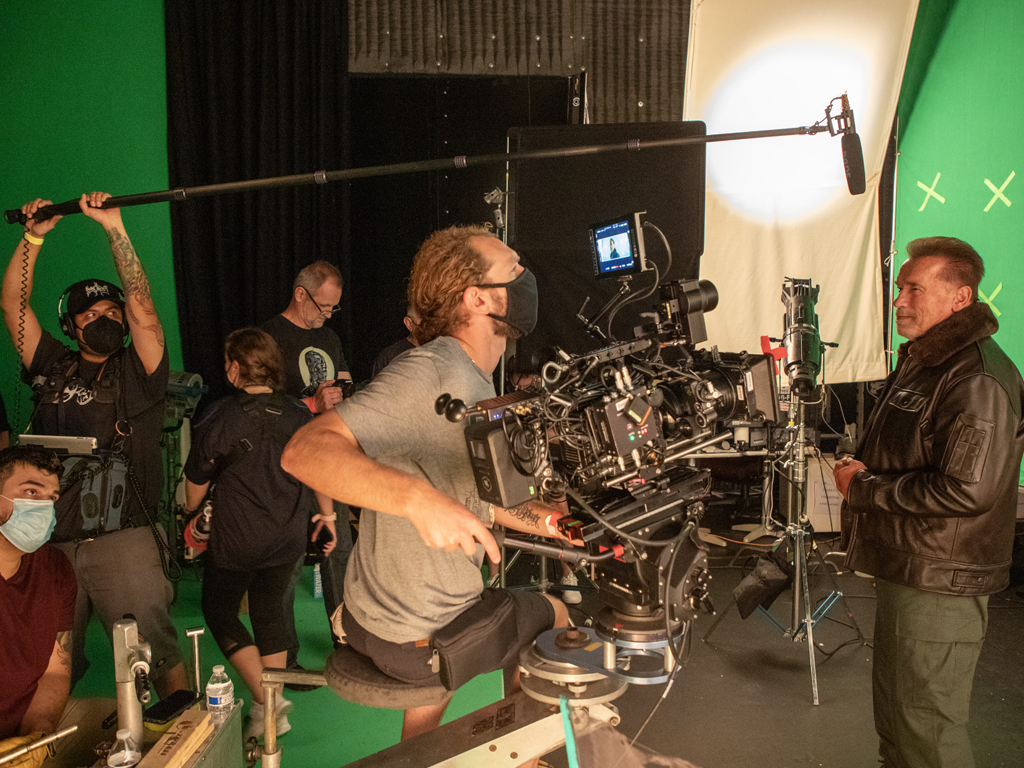
Production covers the people, equipment and logistics needed for the shoot.
Depending on the concept, the crew may include a producer, director, director of photography, lighting and grip teams, a sound mixer, an art department, stylists and production assistants.
Other costs can include camera and lighting rentals, studio hire, talent, set materials, transportation, catering and specialist equipment.
Crew size should follow the work. A small interview setup and a complex tabletop shoot need different skills and resources.
Post-production
Post-production covers the work needed to turn the footage into approved campaign assets.
That may involve editing, color grading, sound design, music licensing, motion graphics, visual effects, retouching, captions and final exports.
The number of deliverables matters here. A hero film with several cutdowns, aspect ratios, languages and alternate endings takes more work than a single finished video.
Review rounds also need to be built into the schedule and the estimate.
What changes the price?
A few decisions tend to have the biggest effect on a commercial production budget.
The creative concept
The idea determines what has to be filmed and how.
A concept built around a real customer speaking in one location may be fairly straightforward. A scripted story with several performers, practical effects or custom environments creates different production requirements.
When the budget is fixed, refining the concept is often the most effective way to make the project achievable.
Shoot days and locations
Each additional shoot day adds crew, equipment, talent and other daily costs.
Multiple locations can also add travel time, permits, access restrictions and repeated setup work. Even locations close to each other reduce how much can be filmed in a day.
Talent and usage
Talent costs depend on more than the time spent on set.
The agreement may also need to cover where the campaign will run, for how long, in which territories and whether exclusivity is required. Celebrity partnerships and union productions bring further requirements.
Those terms should be discussed before the budget is finalized.
Specialist production requirements
Liquids, reflective products, beauty work, high-speed photography and motion control can need specialized crews and equipment.
A simple-looking image may take considerable preparation to achieve consistently.
Deliverables and revisions
Every additional version creates work somewhere in the process.
Some versions can be produced efficiently from the same edit. Others need different framing, footage, graphics, sound or approvals.
Listing the required assets before production lets the team plan both the shoot and post-production accurately.
What to check before approving a quote
Two proposals can describe the same campaign and still cover very different amounts of work.
One might include creative development, casting, music licensing and several delivery formats. Another might cover only the filming and a single edit.
Before comparing totals, check:
- how many shoot days and locations are included;
- which crew, equipment and talent costs are covered;
- which usage rights are included;
- how many finished assets will be delivered;
- which post-production services are included;
- how many revision rounds are allowed;
- whether travel, overtime, captions and licensing are included;
- what happens if the scope changes.
A clear proposal makes its assumptions and exclusions easy to understand. Ask the production partner to explain any line item that isn’t clear.
How to make the budget go further
A useful first step is deciding what matters most to the campaign.
That might be a strong performance, a carefully controlled product image or enough footage to support several months of advertising. Once that priority is clear, the team can simplify other parts of the production around it.
Practical options include using fewer locations, limiting company moves, grouping similar setups and agreeing on deliverables early.
Consolidated feedback also helps. When the decision-makers review together and give one clear response, the team can make changes more efficiently.
Some savings come with trade-offs. Removing a specialist or shortening preparation time can shift work elsewhere or raise the chance that something needs fixing later. A production partner should explain those consequences so you can make an informed decision.
What to prepare before requesting an estimate
You don’t need a complete production brief to start a conversation. A few answers will help the team build a useful estimate:
- What should the video accomplish?
- Who is the audience?
- Where will the content run?
- Which formats, lengths and versions are needed?
- Is there an approved concept, or is creative development needed?
- Are the talent, products and locations already available?
- When does the work need to be delivered?
- What budget range are you considering?
Sharing a budget range helps the team propose an approach you can realistically produce. It also makes it easier to discuss priorities and alternatives from the start.
How LOOK AD ME approaches production budgets
At LOOK AD ME, we begin with the purpose of the campaign and the assets it needs to deliver.
From there, we develop an approach that suits the creative, the schedule and the available budget. That may be a focused studio shoot, a larger location production or a combination of live action, animation, CGI and selected AI-assisted workflows.
The estimate should explain what the project includes, how it will be produced and which decisions could affect the cost.
The aim is to give your team a clear basis for approval and a workable plan for delivery.
Planning a commercial video?
Tell us what you’re making, where it needs to run and when you need it. Whether you have a detailed brief or an early idea, send it below or email hello@lookadme.com, and we’ll talk through the scope and the production approach that fits.
The budget ranges in this article are illustrative planning estimates, not a rate card or a formal quote. Actual costs depend on the project’s location, creative requirements, crew, talent, usage rights, schedule and deliverables.
Have a project in mind?Tell us what you need.
A producer reads it and comes back with questions, a scope and a bid, usually within one business day.
Los Angeles · New York · San Francisco · Austin · Miami · Chicago · Atlanta · Las Vegas · Abroad with local partners


Recent Comments