How LOOK AD ME works: from the first call to the final delivery
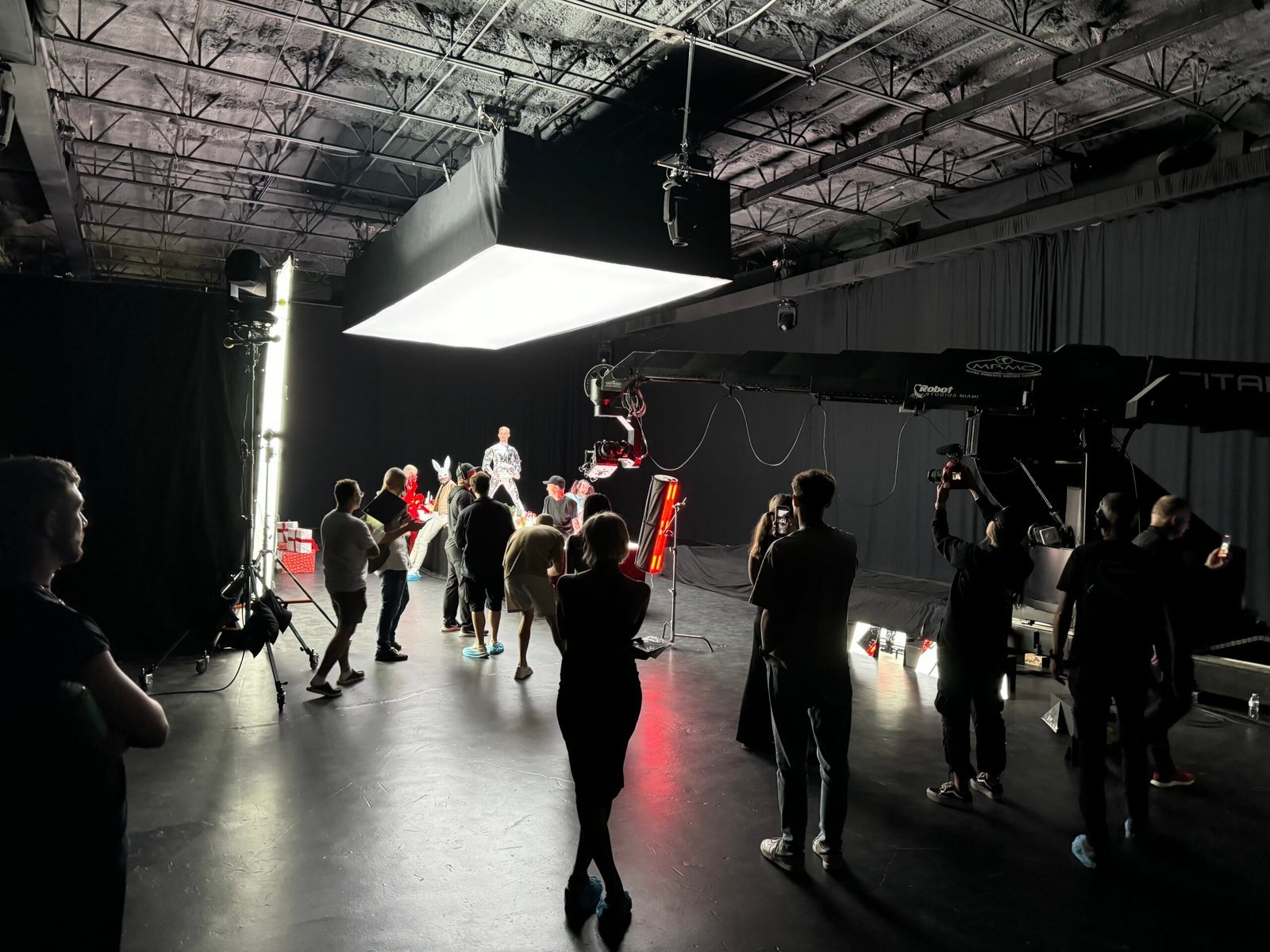
How LOOK AD ME works: from the first call to the final delivery
When brands first reach out to LOOK AD ME, they usually have a goal in mind. It might be a product launch, a campaign refresh, a brand film, or a series of ads for paid social. What they often want to understand is how production works and what it will take to get from that initial idea to a finished campaign.
That’s a reasonable question. Commercial video production involves creative decisions, logistics, technical work, and collaboration across several teams. Clients should know what happens at each stage, where their input is needed, and how the project stays on schedule.
Here’s how we approach the process at LOOK AD ME, from the first conversation to the delivery of your final files.
How long does production take?
A typical commercial video project takes approximately five to eight weeks from discovery to the final delivery. Some stages overlap, and the schedule depends on the scope, production requirements, and time needed for client feedback.
We establish the timeline during discovery, including key milestones, review rounds, and delivery dates. Projects involving multiple locations, extensive visual effects, or a large number of deliverables may need more time.
| Stage | Estimated duration |
|---|---|
| Discovery and strategic planning | 2–5 business days |
| Creative development | 1–2 weeks |
| Pre-production | 1–2 weeks |
| Production | 1–3 shoot days |
| Post-production | 2–3 weeks |
| Final export and delivery | 1–2 business days |
These ranges provide a starting point. Your project schedule will reflect the work your campaign requires.
Stage 1: Understanding your goals
Everything starts with a conversation about what you want the campaign to achieve.
Before we develop a concept or plan a shoot, we need to understand the business objective. Are you introducing a product, building brand awareness, driving sales, or supporting a broader paid media strategy? Each goal influences the creative approach.
We also talk about your audience. Who are they? Where do they spend time? What do they already know about your brand, and what should they think or do after seeing the campaign?
From there, we explore your competitive landscape, visual identity, existing content, and distribution channels.
Where the content will appear matters from the beginning. A campaign designed for television needs a different approach from one built for social media. A hero video for a luxury brand’s website may call for a different pace, framing, and emotional tone than an ad created to drive purchases on a mobile screen.
By the end of discovery, we have a shared understanding of the objective, audience, channels, timeline, and budget. If the scope needs adjusting, we address it at this stage and work through practical options with your team.
Stage 2: Developing the creative
Once the strategy is clear, we begin developing the creative direction.
This is where we decide how to tell the story, what the audience will see and hear, and how the idea will work across the campaign’s deliverables.
Concept development
We develop distinct creative directions grounded in your brand strategy and campaign goals. Each direction offers an original approach to the story, with a clear explanation of how it supports the objective.
Scriptwriting
The written foundation depends on the project. It may be a complete script, an interview framework, or a visual treatment that describes how footage, music, and sound will work together.
In each case, we establish the structure before moving into production.
Visual direction
We define the campaign’s look and feel, including cinematography, lighting, color palette, pacing, art direction, and performance style. These decisions give the team a consistent visual language to carry through the project.
Storyboarding and shot planning
For more complex productions, we create storyboards that map out key visual moments. They help clients understand what they’re approving and give the production team a practical reference for the shoot.
Creative development is collaborative. We present directions, gather your feedback, and refine the strongest approach.
Taking the time to resolve the concept gives every team a clearer brief. It also helps reduce avoidable revisions and makes it easier to keep production within the agreed scope and budget.
Stage 3: Planning the production
Pre-production turns the approved creative into a workable plan.
Much of this work happens behind the scenes, but it has a direct effect on the shoot. Locations, talent, crew, equipment, and schedules all need to come together before the cameras roll.
Locations and permits
We identify and secure locations that serve the creative and meet the practical needs of the production. Depending on the concept, this might involve a studio, a real-world location, or a virtual production environment.
We also coordinate the necessary permissions, access, and logistics.
Casting
When a project requires actors, models, spokespersons, or voiceover artists, we manage the casting process. This includes auditions, selections, contracts, and briefings.
Crew
We assemble the crew around the project’s requirements. That may include directors, directors of photography, gaffers, grips, production designers, art directors, and other specialists.
Everyone receives the information they need to arrive prepared.
Equipment
We plan the camera, lighting, sound, and specialist equipment needed to execute the concept. Motion control rigs, drones, and virtual production systems are arranged in advance when the creative calls for them.
Schedules and shot lists
We map out each production day by scene and setup, allowing time for preparation, filming, and changes between shots. We also build in contingency time for variables such as weather or location constraints.
Thorough preparation helps the shoot run efficiently and gives the team more room to focus on the creative work.
Stage 4: Bringing the concept to life
Production is where the planning becomes visible.
The director works with talent to shape performances. The cinematographer and lighting team establish the image. Art direction brings the setting, styling, and details into alignment with the approved concept.
Our role is to keep those elements working together while managing the time and resources available.
We choose technology according to what the idea needs. That might mean a conventional camera setup, a precisely controlled robotic move, a virtual environment, or an AI-assisted workflow for a specific task.
Throughout the shoot, we keep the final edit in mind. Alongside the main sequences, we capture the coverage, cutaways, transitions, and B-roll needed to build the campaign.
If the project includes a 60-second hero video, shorter edits, and vertical social assets, those requirements shape the shot planning and framing from the outset.
Stage 5: Shaping the finished campaign
Post-production brings the footage, sound, and graphics together.
This is where the story finds its final pace and structure, and where each deliverable takes shape.
Editing
Our editors work from the creative brief, script, and storyboard to build the narrative and emotional arc.
We share edits at agreed milestones so your team can review the work and provide consolidated feedback. Defined review rounds help everyone understand what is being approved and what still needs refining.
Color grading
Color grading develops the visual treatment established during creative development. It also creates consistency across shots and ensures the footage is technically balanced.
The treatment follows the campaign’s needs, whether that calls for a restrained, natural image or a more stylized look.
Sound and music
We handle sound design, music licensing and supervision, and voiceover recording and integration.
Sound shapes how a sequence feels. Music, atmosphere, dialogue, and carefully placed effects all contribute to the finished piece.
CGI, visual effects, and motion graphics
Some campaigns need product visualization, environmental extensions, animated sequences, logo animation, or on-screen text. We develop and integrate these elements as part of the agreed creative approach.
Throughout post-production, we keep feedback focused and actionable. The aim is to give your team meaningful input while maintaining a clear path to approval and delivery.
Stage 6: Preparing and delivering the final files
Once the creative is approved, we prepare each asset for its intended destination.
This stage deserves careful attention. A finished video still needs the correct framing, file specifications, captions, and quality checks before it is ready to run.
Platform formatting
We prepare exports for the agreed channels, which may include broadcast television, YouTube, Meta, TikTok, connected TV, streaming platforms, and digital out-of-home displays.
We check the relevant requirements for aspect ratios, frame rates, bitrates, codecs, audio, and captions.
Organized delivery
Campaigns often include several versions of the same creative. We package and name files clearly so your team can identify the correct asset for each placement.
Quality control
We review the final exports for image and sound quality, technical compliance, and consistency across versions.
This final check helps catch issues that can appear during formatting or export, before the files reach your media team.
Distribution support
For clients who need it, we advise on platform specs and placements, and set up deliverables so their performance can be tracked.
At delivery, your team receives an organized set of approved assets prepared for the agreed channels.
What keeps a project moving?
The strongest productions depend on clear communication from both sides.
We bring the creative, technical, and production expertise. Your team brings knowledge of the brand, the audience, and the business priorities.
Projects move most smoothly when goals are clear, decision-makers are involved early, and feedback is consolidated at each review stage. Timely approvals help protect the schedule, particularly when casting, location bookings, or production dates depend on them.
We make those dependencies clear at the start so everyone knows what is needed and when.
Who we work with
LOOK AD ME works with brands and agencies across North America, Europe, Asia-Pacific, and the Middle East.
Our clients include global consumer brands, growing businesses, and creative agencies looking for a production partner with the experience and resources to deliver commercial work to a high standard.
The best partnerships give both teams room to contribute. Clients share their priorities and feedback, and we turn that knowledge into creative and production decisions that serve the campaign.
Ready to start?
If you have a campaign in mind, or want to understand what’s possible within your budget and timeline, the next step is a conversation.
Tell us what you’re planning, where the content needs to run, and when you need it. We’ll help you work out the path from the first idea to the final delivery.
Have a project in mind?Tell us what you need.
A producer reads it and comes back with questions, a scope and a bid, usually within one business day.
Los Angeles · New York · San Francisco · Austin · Miami · Chicago · Atlanta · Las Vegas · Abroad with local partners


Recent Comments