What AI can and cannot do for celebrity campaigns
What AI can and cannot do for celebrity campaigns
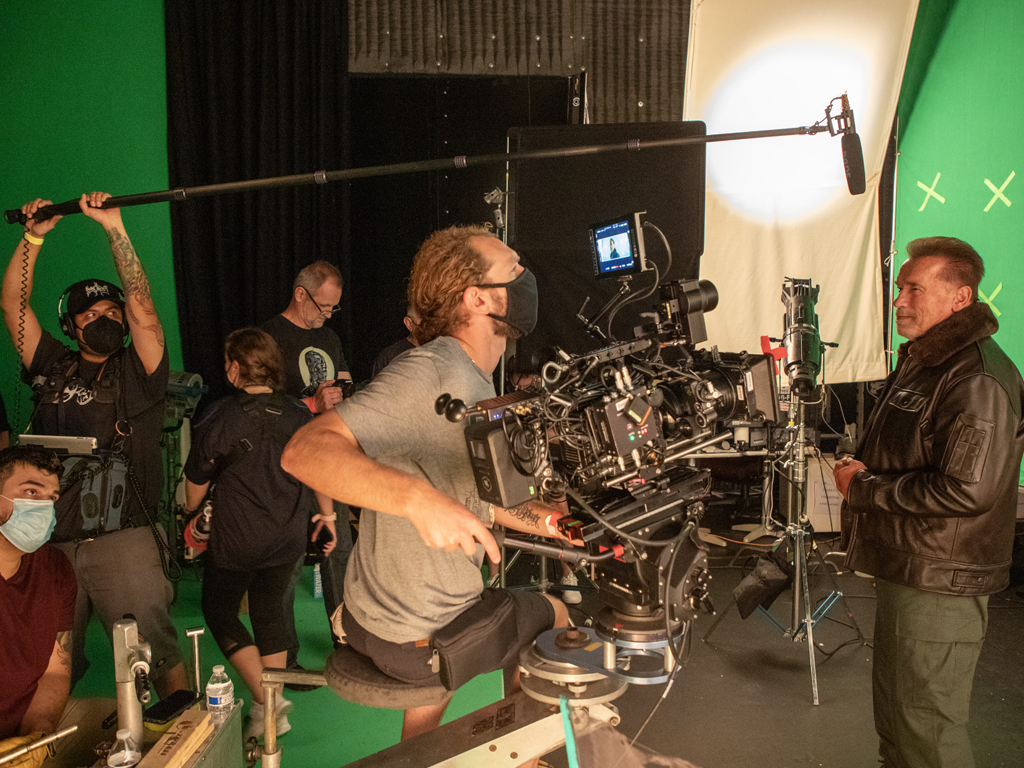
A campaign with a celebrity, athlete or creator often comes down to a limited amount of time together. The talent may be available for a single day, while the brand needs enough content for several markets, platforms and months of advertising.
That puts pressure on the shoot. Every performance, product interaction and campaign variation the brand needs has to be thought through before the talent arrives.
AI can give production teams more flexibility, particularly when adapting approved footage for different uses. It can also bring new costs, new approval requirements and questions about how a person’s image or voice may be used.
For brands, the useful question is where AI can improve the campaign, and what needs to be agreed before production begins.
Where AI can help
The clearest opportunities usually come after the shoot, when the production team turns the original material into a broader set of campaign assets.
How much flexibility AI provides depends on the footage, the creative concept, the tools and the permissions secured from the talent.
More versions from a single shoot
A campaign may need a hero film, shorter edits, vertical formats, regional variations and different opening sequences for paid media.
AI-assisted tools can help with parts of that adaptation, including reframing, extending backgrounds and preparing selected visual variations. Combined with conventional editing and visual effects, they make it easier to produce more assets from the same material.
The shoot still has to capture the right foundation. If the campaign needs a specific product demonstration or an emotionally precise performance, those moments should be planned and filmed.
The more clearly the deliverables are defined in advance, the more useful the original footage becomes.
Selected changes after filming
Some changes can be made without bringing the talent back to the studio. A background may need cleaning up, an environment may need extending, or an approved product detail may need updating.
AI can assist with that work, but what is possible varies from shot to shot. Movement, lighting, reflections and the way a person handles an object all affect the result.
Changing someone’s spoken words or performance raises further questions. The production team needs to establish whether the change is technically convincing, whether the agreement permits it and whether it needs further approval.
A small change to the brief can still mean substantial work in post-production.
Creative testing
A single shoot can provide material for several advertising approaches.
Editors can test different opening moments, sequences, calls to action and formats. AI may help prepare some of those variations, which makes a larger testing plan more practical.
The value comes from having a clear reason for each version. A campaign gains from testing different ideas about what will interest the audience, not from producing more assets simply because the tools allow it.
Agree on AI use before the shoot
When a campaign features a recognizable person, decisions about AI belong in the early conversations with the talent and their representatives.
An agreement that covers a filmed performance should not be assumed to authorize voice cloning, digital replicas or newly generated performances. Every intended use needs to be checked against the contract, the applicable law and any relevant union agreement.
For commercials made under SAG-AFTRA, the 2025 Commercials Contracts include specific provisions for digital replicas, including consent and compensation requirements, and they treat some established editing and visual effects work differently from digital replica use. Which requirements apply depends on the work being done. See SAG-AFTRA’s 2025 Commercials Contracts summary and the union’s announcement.
Before production, the brand, the production company and the talent’s representatives should establish:
- what AI-assisted work is planned;
- whether it will alter the talent’s face, voice, words or performance;
- which markets, platforms and usage periods are covered;
- what the talent will review and approve;
- how any additional compensation will be handled;
- how recordings and digital assets will be stored and who can access them.
These conversations also lead to a realistic budget. Licensing, technical development, legal review and approvals all affect whether an AI-assisted approach is actually an advantage.
Localization needs more than translation
AI-assisted dubbing and lip-sync tools can support multilingual campaigns, but the result still needs careful human review.
A translated line may be accurate and still miss the humor, rhythm or personality of the original. That matters when the audience knows the talent’s voice and mannerisms.
Localization should involve native-language reviewers who can judge meaning, pronunciation, tone and cultural fit. Any synthetic use of the talent’s voice or change to their performance also has to stay within the agreed permissions.
For some campaigns, a local voiceover or subtitles will serve the creative better. The choice should follow the audience and the message.
The performance still matters
Celebrity partnerships depend on recognition and trust.
An athlete brings a particular physical presence. A creator has an established way of speaking to their community. An actor may be valued for the timing, expression or personality they bring to a scene.
Those qualities are hard to reproduce convincingly. A generated performance may look plausible on its own and still feel unfamiliar to people who know the talent well.
That makes close review essential whenever AI changes a face, voice, gesture or line delivery. Technical quality is only part of the check. The result also has to feel true to the person and to the campaign they agreed to represent.
The original performance remains the creative foundation.
How to plan an AI-assisted campaign
The most effective approach starts with what the campaign actually needs.
Define the deliverables. Identify the markets, languages, platforms, formats and creative variations the campaign requires.
Decide what to capture and what to adapt. Choose which elements have to be filmed with the talent and which can be adapted afterward. Test any technically uncertain approach before relying on it for a major deliverable.
Match the production plan to the permissions. The contract, shot list, post-production workflow and approval schedule should all support the same intended uses.
Allow time for quality control. AI-assisted material needs to be checked for visual consistency, accurate product representation, natural performance and compliance with the agreed scope.
This preparation gives everyone a clear picture of what the shoot must achieve and what can realistically happen afterward.
What brands should expect
AI can widen the options available to a production team. It may make selected adaptations faster, help extend approved material or make versions possible that would otherwise not fit the schedule.
It doesn’t guarantee a lower overall cost or remove the need for additional filming. Some tasks get easier; others add technical work and review.
The strongest use cases have a defined purpose, suitable source material and clear approval requirements. That gives the team a sound basis for deciding where AI adds value.
At LOOK AD ME, we treat these decisions as part of production planning. The starting point is the campaign, the performance and what the finished work needs to achieve.
Planning a campaign with celebrity talent?
If you are considering AI for a celebrity, athlete or creator campaign, bring it into the conversation early.
Knowing what you want to adapt, generate or localize helps the production team plan the shoot and gives the talent’s representatives a clear proposal to review.
Tell us about your campaign, deliverables and production requirements: send the brief below or email hello@lookadme.com.
Have a project in mind?Tell us what you need.
A producer reads it and comes back with questions, a scope and a bid, usually within one business day.
Los Angeles · New York · San Francisco · Austin · Miami · Chicago · Atlanta · Las Vegas · Abroad with local partners


Recent Comments